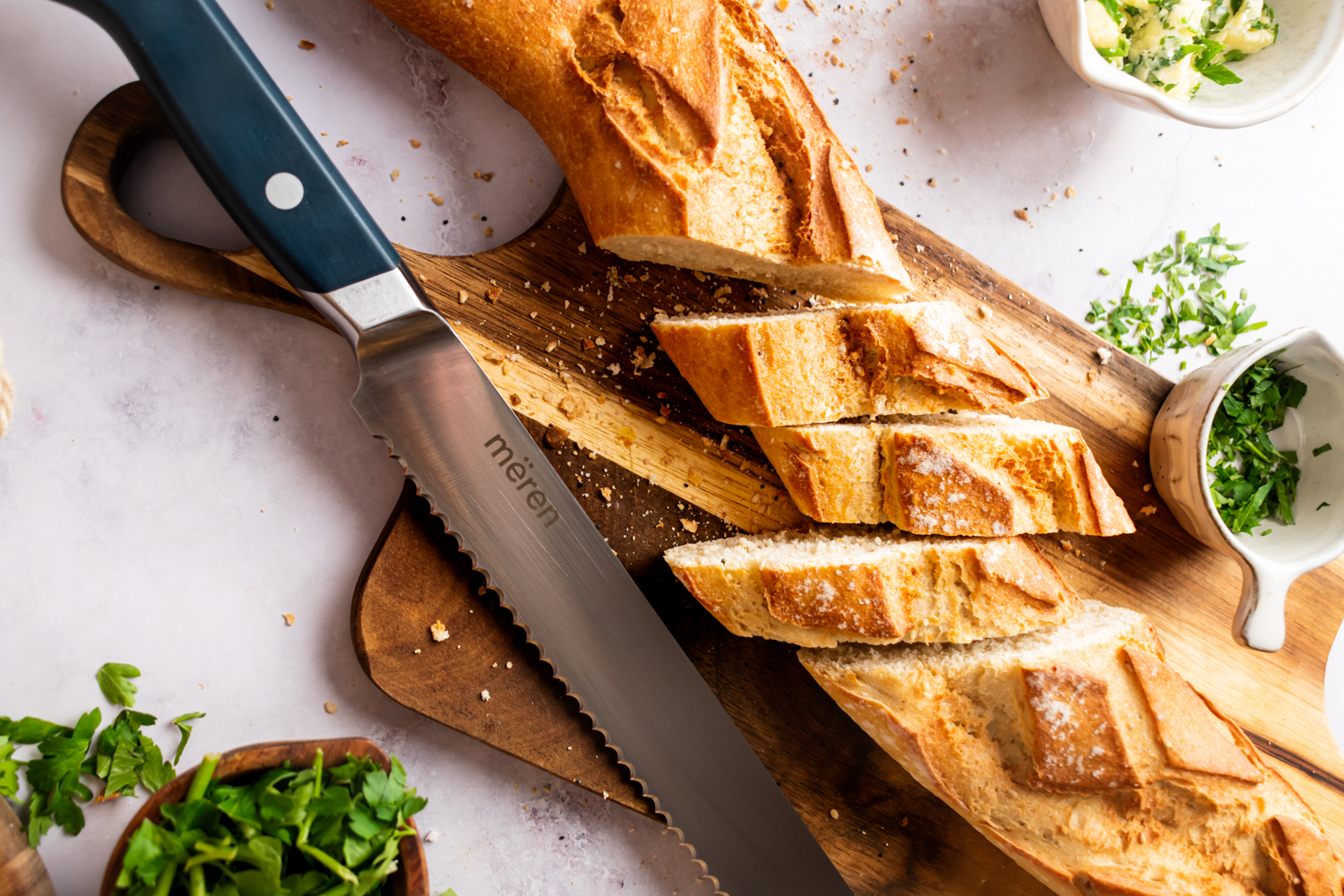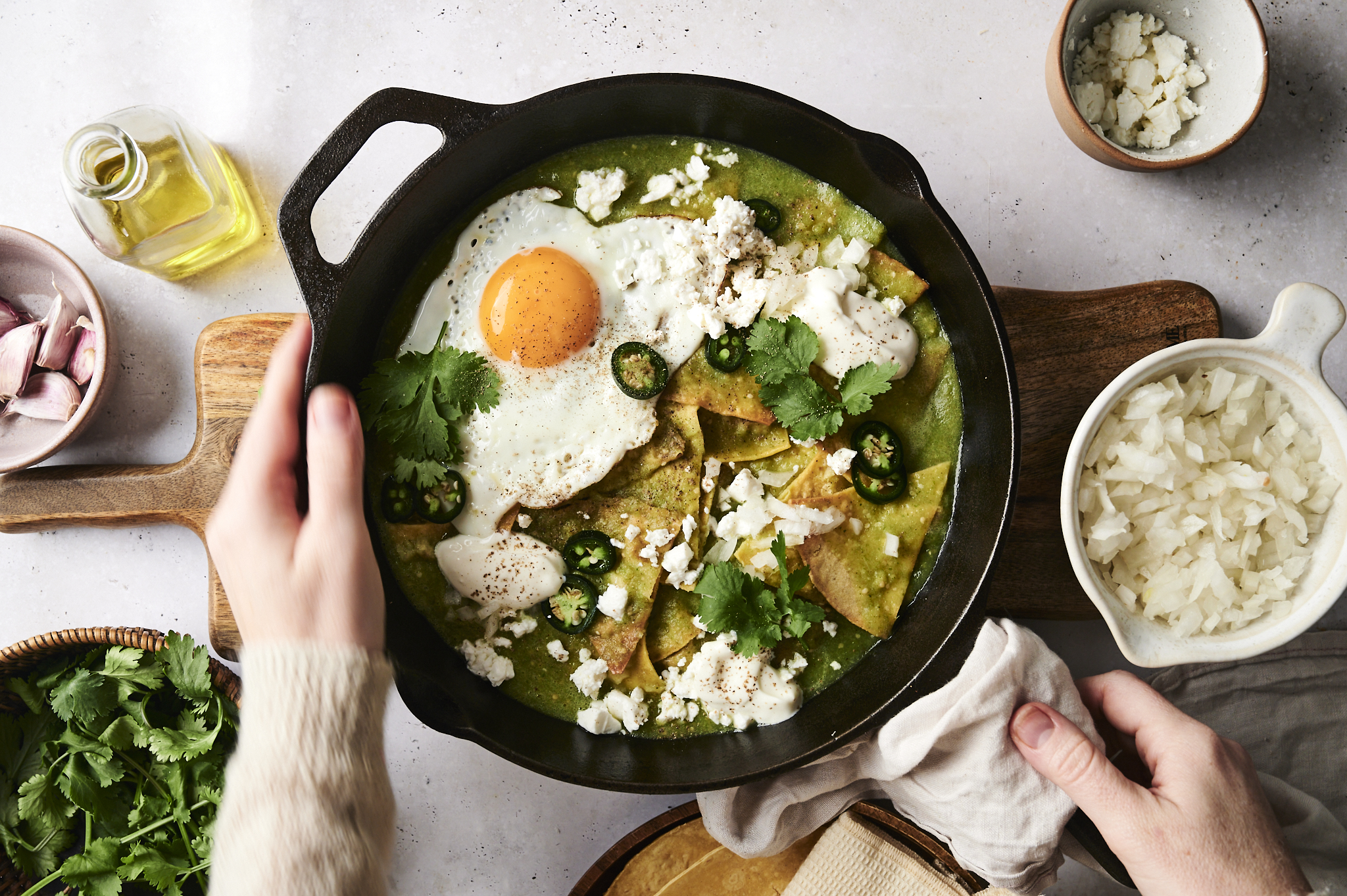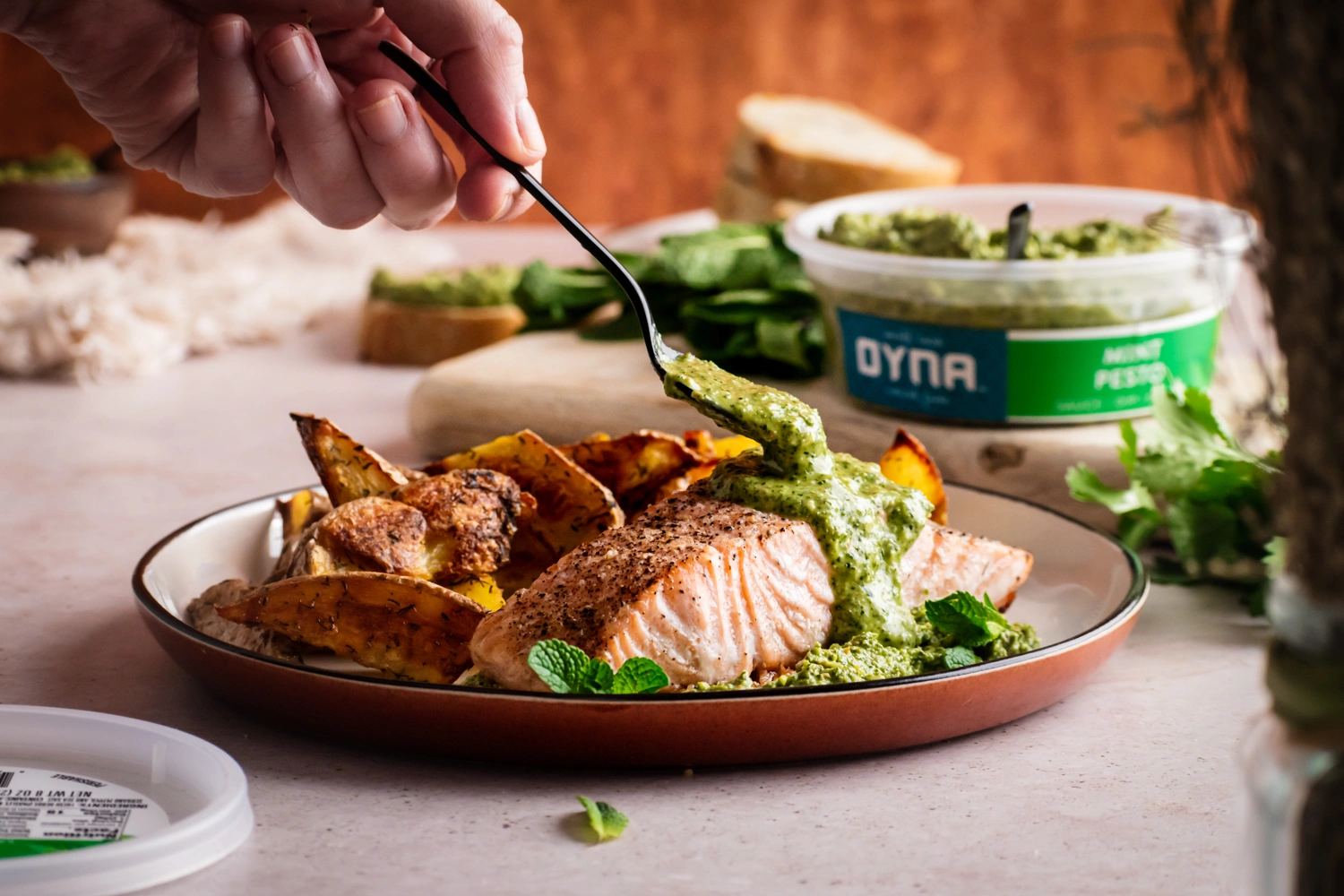
In an increasingly visual world, where purchasing decisions are often made at a glance, gastronomic photography has become an essential tool. It is no longer just about showing a beautiful dish, but about communicating an experience, transmitting quality and arousing emotions through the image.
This discipline has gained a prominent place both in haute cuisine and in marketing campaigns, social networks and editorial publications. If you have a restaurant, a food brand or work in the world of visual communication, understanding the power of a good food photo can make the difference between standing out or going unnoticed.
Definition and purpose of gastronomic photography
Gastronomic photography is a specialty within the audiovisual world that focuses on capturing images of food and beverages with a clearly aesthetic and communicative intention. It goes far beyond taking a picture of a dish: it seeks to generate desire, reflect quality and transmit sensations such as freshness, flavor or sophistication.
His relationship with gastronomy is symbiotic. Just as a chef takes care of every ingredient, a gastronomic photographer takes care of every detail of framing, light and presentation. Both have a common goal: to offer a sensory experience, only that one does it from the kitchen and the other from the camera lens.
In addition, this branch of photography serves a very clear purpose in marketing: to influence consumer decisions. Numerous studies have shown that an appealing image can increase interest in a product, improve its perceived quality and multiply the likelihood of purchase. In this sense, it becomes a strategic tool to attract, excite and convince.

Essential elements for good food photography
Achieving a good food photo is not a matter of improvisation. It requires technical knowledge, artistic sensitivity and careful planning. Some of the fundamental elements are:
Composition
Composition is the way in which the elements are visually organized within the frame. A good food photographer knows how to guide the viewer’s eye to the point of interest: the dish. He uses tools such as the rule of thirds, the use of lines, depth of field or color contrasts to generate balanced and visually pleasing images.
The choice of the background, the utensils, the textures and the style of the plating are also part of the composition. Everything must add up, without stealing the limelight from the food.
Lighting
Light is one of the most important determining factors. The right lighting can make a dish look fresh, vibrant and appetizing. In gastronomic photography, two types of light are commonly used:
- Natural light: It is highly valued for its softness and naturalness. Light coming through a window in the morning or evening hours offers organic results, ideal for conveying warmth and freshness. However, it can be difficult to control on cloudy days or days with light changes.
- Artificial light: Allows greater control over intensity, direction and color temperature. In professional studios, flashes, LED lights and diffusers are used to achieve precise results, especially when a more sophisticated editorial or advertising style is sought.
In both cases, the use of diffusers, reflectors and light modifiers is key to avoid harsh shadows and highlight the texture and details of the food.
Gastronomic styling
Food styling is the art of preparing and presenting food so that it looks irresistible on camera. Sometimes it involves small visual tricks (such as using a brush with oil to add shine, or placing cardboard under a sandwich to give it volume), but always with a clear objective: to highlight the best of the dish without losing its authenticity.
The gastronomic stylist works together with the photographer and, many times, with the chef, to find the exact point between aesthetics and reality. Good styling does not disguise, but enhances.
Where is gastronomic photography used?
The rise of digital imaging has taken gastronomic photography far beyond professional kitchens. Today it is present in a wide variety of media and contexts:
Restaurants and cafeterias
From printed menus to in-store digital displays, photographs play a key role in the way customers perceive the gastronomic offer. An attractive image can significantly increase the sale of a specific dish, and convey a polished and professional image of the business.
Social networks
Instagram, TikTok, Pinterest and other platforms are full of food images. In this context, a good photo not only captures “likes”, but also generates interaction, builds brand and can attract new customers. Visual content is the cornerstone of food marketing on networks.
Digital marketing
In advertising campaigns, websites, newsletters and online ads, professional quality images generate trust and credibility. A poorly photographed dish can make a potential customer doubt the level of service; a good photo, on the other hand, reinforces the value of the product.
Publishers and specialized media
Cooking magazines, food books and food blogs also require images that match the content they publish. In these cases, food photography can adopt a more artistic or narrative style, depending on the editorial approach.
How to get professional gastronomic photographs
If you have a business related to gastronomy, surely you have asked yourself on more than one occasion if it is worth hiring a professional photographer. The answer is a resounding yes, especially if you want to project a coherent, attractive and differentiating image.
A food photographer brings not only technique and equipment, but also creative vision, experience in composition, mastery of light and knowledge in styling. All this translates into images that communicate, excite and sell.

When to hire a professional?
- When launching a new menu or menu.
- If you are going to make an advertising campaign or redesign your website.
- When you want to renew the content of your social networks with consistent and high quality images.
- If you participate in a fair, contest or editorial publication.
Tips if you take your own photos
We understand that sometimes the budget does not allow you to hire a professional at all times. If you are going to take the photos yourself, these tips can help you improve the results:
- Use natural light whenever possible. A table next to a window is your best ally.
- Avoid direct cell phone flash, as it creates harsh shadows and unnatural colors.
- Take care of the presentation of the dish and its surroundings. A clean background, a well-placed napkin or a fresh ingredient can make all the difference.
- Try different angles: the overhead shot works very well with flat dishes, while a 45° shot is ideal for burgers, pies or glasses.
- Edit your photos with basic tools like Lightroom or Snapseed. A small adjustment of brightness, contrast or temperature can greatly improve the final result.
Conclusion
Gastronomic photography is not a luxury, it is a strategic investment. In a market where competition is fierce and attention is scarce, well thought out and executed images can be the decisive factor to attract and retain customers.
Whether for social media, menus or marketing campaigns, having professional quality visual content helps you convey trust, generate desire and communicate the real value of your culinary proposal.
Would you like to highlight the essence of your kitchen or your product through images that really communicate? At Cat on Table we have the experience and passion to help you achieve this. Contact us or take a look at our portfolio to see how we turn food into visual art.