A good photo of food can whet the appetite without smelling or tasting it.
In a world where “eating with your eyes” has become part of the gastronomic ritual, mastering culinary photography is a powerful tool for chefs, restaurateurs, content creators and brands.
Why is it important to photograph food?
Gastronomic photography is a specialized branch of product photography, focused on capturing food in an attractive, evocative and commercial way. It is a discipline that mixes visual art with strategy: it is not enough to show the dish, it is necessary to tell a story through it.
In commercial projects, such as those offered by Cat on Table in its gastronomic photo sessions in gastronomic photography in MadridWe work not only with technique, but also with aesthetic sensibility and specific objectives: to increase sales, improve visual identity or generate engagement in social networks.

What do you need to get started in food photography?
| Essential Element | Function | Accessible alternative |
| SLR or mirrorless camera | Control of light, focus and RAW quality | Smartphone with manual apps |
| Tripod | Stability and sharpness | Table stand or DIY |
| 50mm or macro lens | Ideal for textures and details | Compact camera with macro |
| Reflectors/diffusers | Soften shadows and balance light | White cardboard or curtain |
| Neutral backgrounds and simple tableware | Add aesthetics without stealing the limelight | Wood, paper, plain dishes |
To achieve professional images, you don’t need a full-fledged photo studio. You can get started with a few key resources:
Composition: how to organize your image to whet the appetite
Composing a culinary photograph well is not an aesthetic whim, it’s what transforms an ordinary dish into an irresistible image. These basic rules will help you get started:
1. Rule of thirds
Divide your image into nine imaginary parts and place the main element at one of the intersection points. This way you generate visual balance.
2. Use negative space
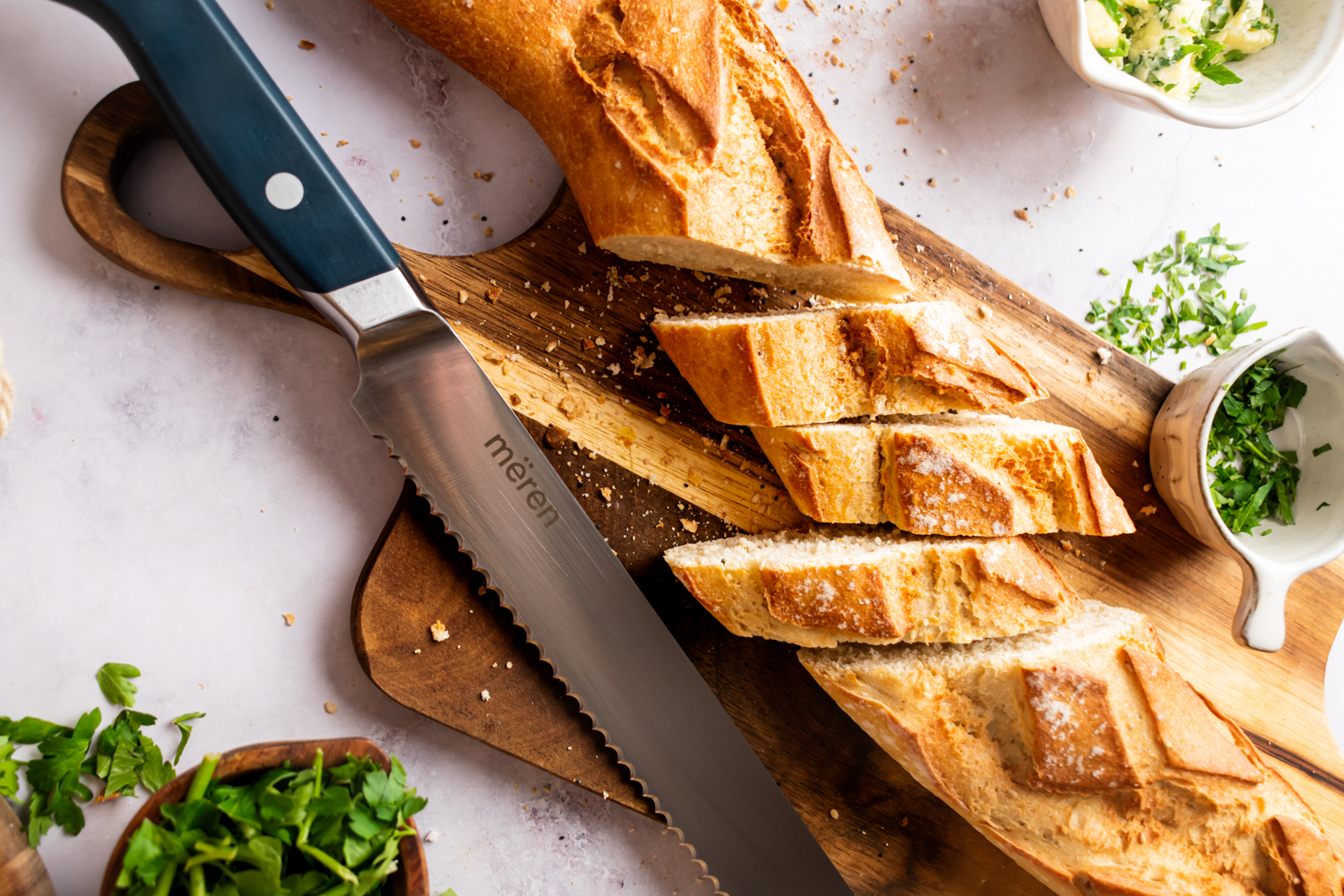
A clean background or one without distracting elements makes the food stand out more.
3. Complementary colors
A dish with red sauce will stand out best against a gray or soft blue background. Play with the chromatic circle.
4. Less is more
Avoid excessive cutlery, ornaments or overloaded plates. Simplicity communicates better.
5. Human element
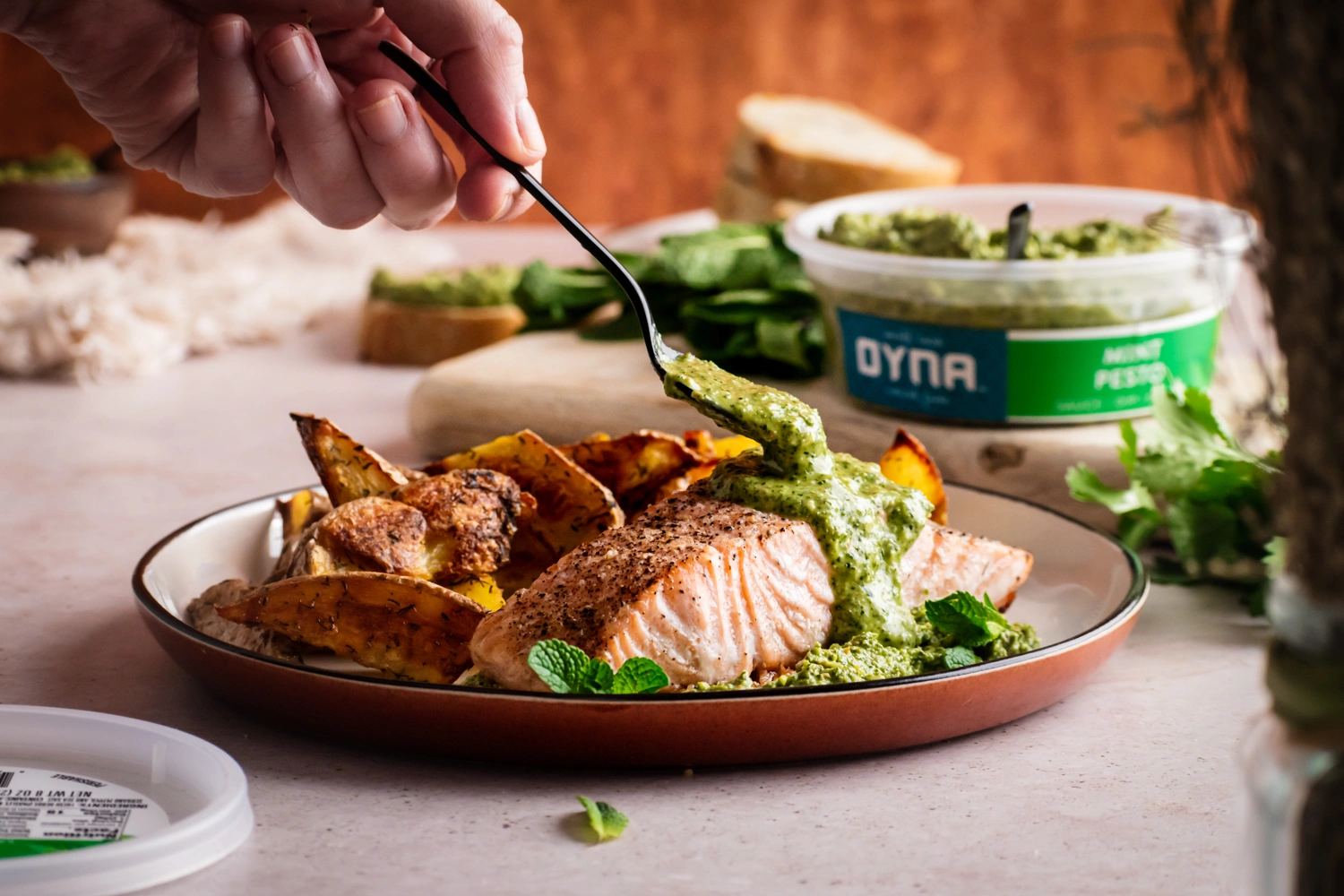
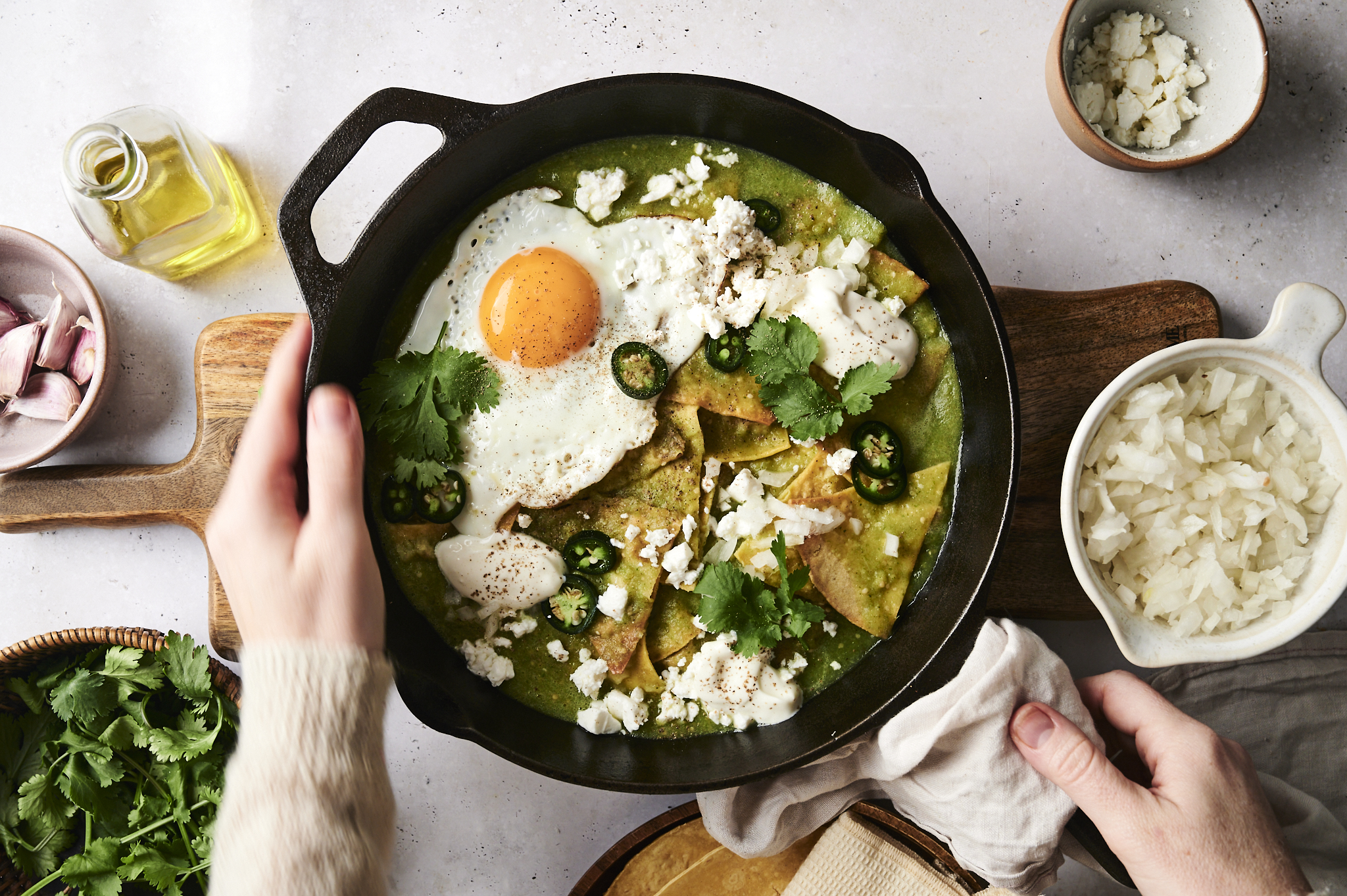
A hand serving, cutting or holding a plate generates emotional closeness with the viewer.
What angle is best for photographing food?
There is no single correct angle, but these are the most effective depending on the type of dish:
- Zenithal (90º): Perfect for shared tables, trays or flat plates.
- 45º angle: Ideal for dishes with height or volume such as hamburgers and pies.
- Front: Very useful for beverages, vertical cuts or layered presentations.
Tip: Walk around the dish and try several shots before choosing the final one.
Camera settings for professional images
A well-configured camera is like a well-made recipe. Here are the ideal parameters:
| Setting | Recommended value | Why? |
| ISO | 100-200 | Less noise and more sharpness |
| Aperture | f/1.8 – f/4 | Depth control and selective focus |
| Speed | 1/60 – 1/200 | Stability if there is movement |
| Focus | Manual or AF-S | Accuracy of detail |
| Format | RAW | Enhanced editing capabilities |
| White balance | Manual | Color temperature control |
| Color space | AdobeRGB | Greater tonal richness in editing |
Lighting: the invisible ingredient in the picture
A good light can turn an ordinary dish into a work of art. In gastronomic photography, the side natural light is the most photogenic and simplest option.
Recommended types of light:
- Soft side light: Highlights textures without creating harsh shadows.
- High key: Creates fresh, clean and modern environments.
- Low key or “dark & moody” style: Brings drama and sophistication.
- Homemade diffuser: use a translucent curtain or tracing paper to soften the light.
- Reflectors: Bounce light onto the dark side of the dish.

Professional tips for irresistible food photos
Here are some details that make a difference:
- Use oil or water spray to give freshness to meats, fruits and vegetables.
- Set up the scene with tweezers if necessary: every ingredient counts.
- Serve small portions: in photography, less food looks more elegant.
- Avoid overloaded backgrounds or dishes with too many colors.
- Wood is the most versatile background: it gives warmth and naturalness.
How to edit your food photos professionally?
Editing is part of the creative process, but it should always respect the naturalness of the food. Here are the keys:
- Brightness and contrast: highlights textures without burning out areas.
- White balance: that the colors look true to life.
- Saturation: Moderate, to stand out without overdoing it.
- Clarity and sharpness: Improves detail, especially if crisp or fresh ingredients are present.
- Avoid extreme filters: an HDR tomato is not craved.
Where to publish your photos to attract customers?
A good photo is useless if no one sees it. That’s why you should share it strategically:
- Social media (Instagram, Pinterest, TikTok)
- Restaurant or chef’s website
- Google Business Profile
- Physical menus and digital menus
Additional tip: use relevant hashtags and geolocation to attract your local audience. If you’re in the Spanish capital, check out the gastronomic photography in Madrid by Cat on Table.
Looking for inspiration or professional services?
You don’t need to have a Michelin-starred kitchen to do impactful food photography. But if you want to take your image to the next level, you can consult with Cat on Tablea creative studio specialized in gastronomic photography based in Madrid.